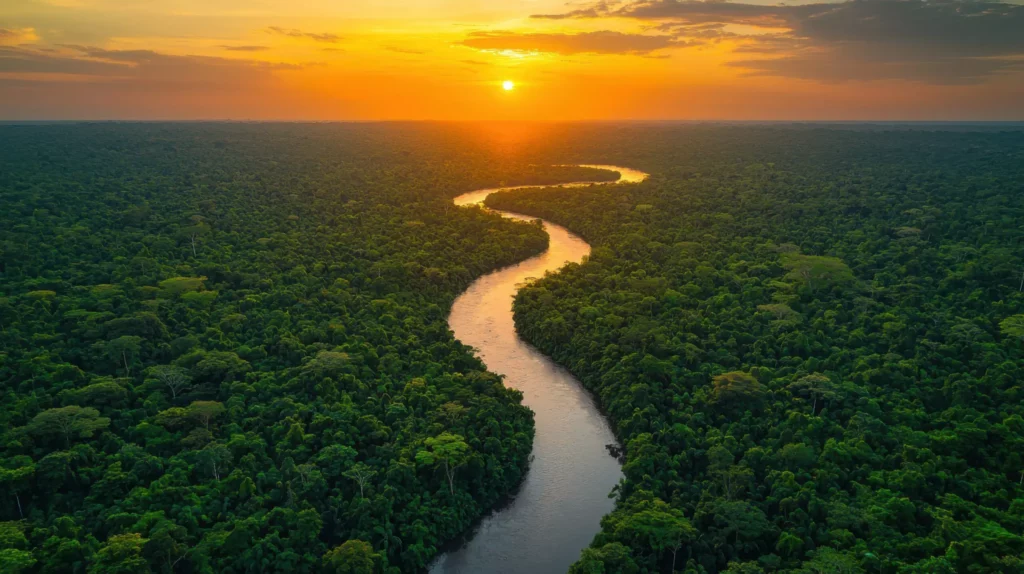
The Ecuadorian Amazon captures the imagination of travelers worldwide with its pristine wilderness, exotic wildlife, and indigenous cultures largely untouched by modernity. Yet beneath the glossy travel brochures and Instagram-worthy photos lies a more complex reality. While the Amazon is an iconic destination with plenty of biodiversity, getting to the Ecuadorian Amazon region can be complicated. For many travelers, the journey to Ecuador’s slice of the world’s largest rainforest presents logistical hurdles and practical limitations that can overshadow the natural wonders they came to see.
What is the Amazon?
Geographic Overview of the Amazon
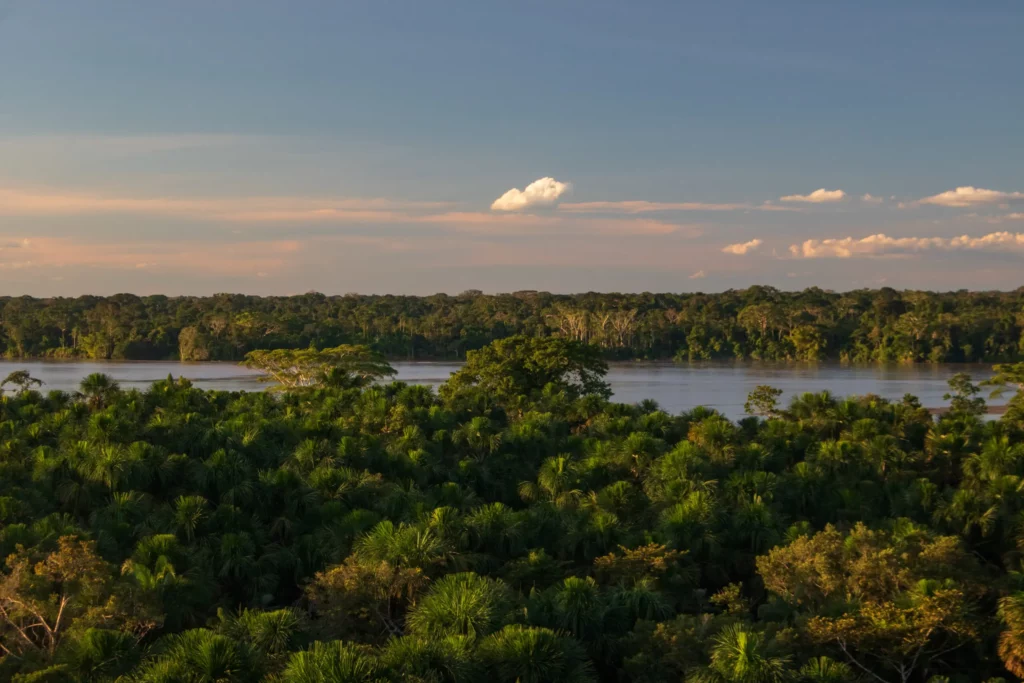
The Amazon rainforest spans approximately 2.72 million square miles (7.04 million square kilometers) across nine South American countries, making it the world’s largest tropical rainforest. This vast green expanse covers roughly 40% of South America, with Brazil claiming the largest portion at about 60% of the total area. The remaining territory is distributed among Peru, Colombia, Venezuela, Ecuador, Bolivia, Guyana, Suriname, and French Guiana.
The Amazon Basin encompasses the drainage system of the Amazon River and its countless tributaries, creating a complex network of waterways that serve as the region’s primary transportation arteries. This massive ecosystem contains an estimated 390 billion individual trees representing about 16,000 species, while supporting an incredible array of wildlife including jaguars, pink river dolphins, three-toed sloths, and over 1,500 bird species.
The Part of the Amazon that You Can Experience in Ecuador
The Ecuador Amazon region, known locally as “El Oriente,” comprises roughly 2% of the total Amazon rainforest but packs remarkable diversity into its relatively compact 46,332 square miles (about 120,000 square kilometers). The Amazon rainforest in Ecuador extends from the eastern slopes of the Andes Mountains to the borders with Peru and Colombia, encompassing six provinces: Sucumbíos, Orellana, Napo, Pastaza, Morona Santiago, and Zamora Chinchipe.
Despite its smaller size compared to Brazil’s or Peru’s Amazon territories, the Amazon Ecuador region offers some of the most accessible and biodiverse experiences in the entire basin. The area includes portions of Yasuní National Park, one of the most biodiverse places on Earth, where scientists have recorded more tree species in a single hectare than exist in the whole of North America. The Amazon jungle in Ecuador also encompasses the headwaters of several major tributaries including the Napo, Marañón (fed by the Pastaza and Morona Rivers), and Aguarico Rivers.
Ecological and Cultural Significance
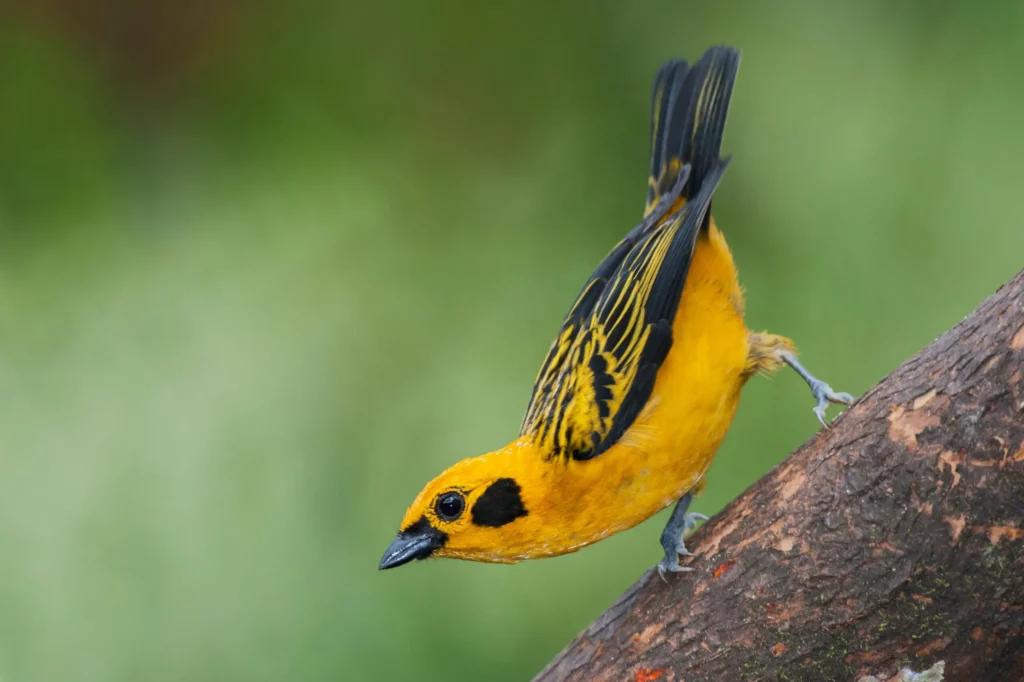
The Ecuadorian Amazon serves as a crucial piece of the planet’s ecological puzzle, functioning as a carbon sink that helps regulate global climate patterns while harboring an extraordinary concentration of endemic species (meaning you won’t find these species anywhere else but here). The region’s rapid elevation changes, from Andean foothills to lowland rainforest, create distinct microclimates that support specialized plant and animal communities found nowhere else on Earth.
Culturally, Ecuador’s Amazon Rainforest remains home to numerous indigenous groups including the Shuar, Achuar, Kichwa, Cofán, Huaorani (or Waorani), Siona, Secoya, Tagaeri, Taromenane, and Zapara peoples, each maintaining distinct languages, traditions, and relationships with the forest. These communities have inhabited the region for thousands of years, developing sophisticated knowledge systems about medicinal plants, sustainable hunting practices, and forest management that continue to inform modern conservation efforts.
The region also holds significant economic importance for Ecuador in terms of oil extraction. This practice continually stymies conservation and environmental protection efforts, pitting competing interests against one another and shaping infrastructure and accessibility challenges that modern travelers encounter when attempting to visit the area.
The Journey to the Ecuadorian Amazon
Getting There is Not Straightforward
No Major International or Domestic Airports in the Amazon Region
One of the most significant barriers to visiting the Amazon Ecuador region is the lack of substantial aviation infrastructure within the rainforest itself. Unlike other major Ecuadorian destinations such as Quito or the Galápagos Islands, the Ecuadorian Amazon has no international airports and only a handful of small domestic airstrips that can accommodate limited aircraft types.
The primary entry points for air travel include small airports in Coca (Francisco de Orellana Airport – OCC), Macas (Edmundo Carvajal Airport – SEMC), Tena (TUA), and Río Amazonas (Shell Airport – SESM), but these facilities primarily serve regional flights with small aircraft and have irregular schedules that depend heavily on weather conditions. Most of these airports lack the infrastructure to handle commercial jets, limiting options to small propeller planes that can be expensive and are often subject to cancellations.
Travel to the Ecuadorian Amazon involves multiple flights, buses, and watercraft
Reaching the Amazon Rainforest in Ecuador typically requires a complex, multi-modal journey that can take anywhere from 8 to 14 hours depending on your destination and weather conditions. Most travelers begin their journey in Quito, Ecuador’s capital, before embarking on a combination of domestic flights, bus rides, and boat transfers.
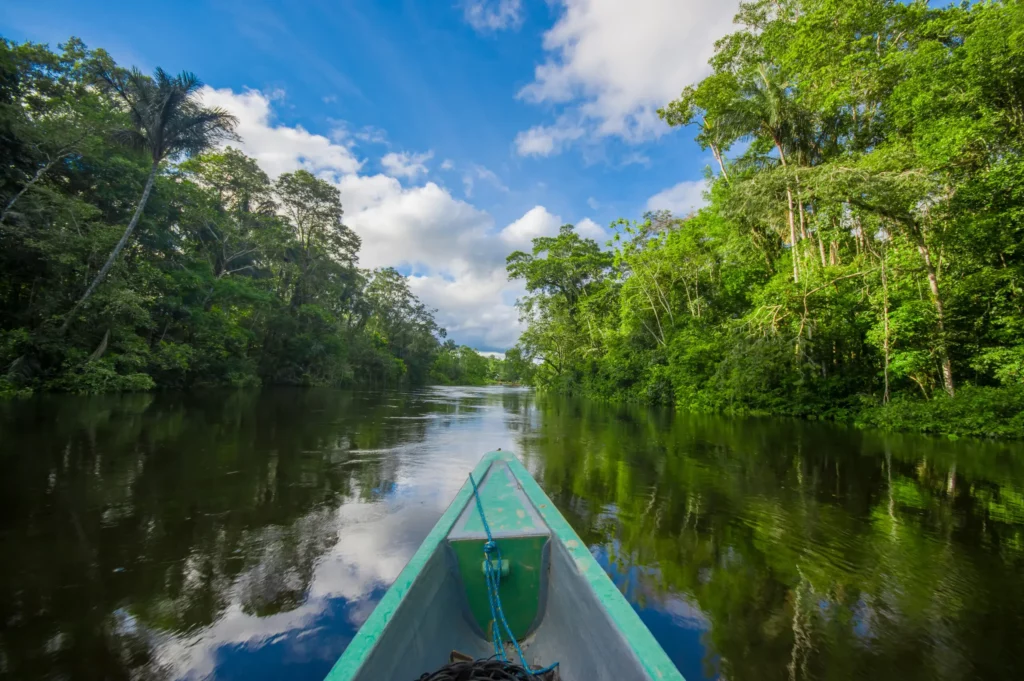
A typical route might involve flying from Quito to Coca (about 30 minutes), followed by a bus ride to a river port (1-2 hours), and then a motorized canoe journey to reach remote ecolodges (2-6 hours, depending on location and water levels). Alternative routes through Baños, Puyo, or Tena involve longer overland travel but may offer more reliable transportation options during certain seasons.
The complexity of these connections means that missed flights or transportation delays can cascade into significant disruptions, potentially adding entire days to travel time. Weather-related cancellations are particularly common during the rainy season (December through May), when cloud cover and precipitation can make small aircraft flights impossible.
Infrastructure and Transportation
Rough Roads and Flooded Roads
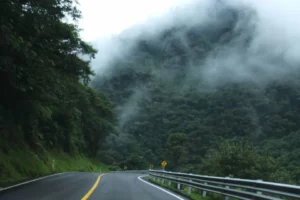
The road infrastructure connecting the highlands of Ecuador to the Amazon region reflects the challenging terrain and climate conditions of the transition zone between the Andes and the rainforest. Most roads descending into “El Oriente” follow routes originally carved by oil companies, resulting in narrow, winding paths that traverse steep mountain slopes and cross numerous rivers and streams.
These roads are frequently in poor condition due to the combination of heavy rainfall and the constant movement of heavy trucks servicing oil operations and local communities. Landslides are common during the rainy season, sometimes closing major routes for days or weeks at a time. Even during dry periods, many roads remain unpaved and full of potholes, making bus journeys uncomfortable and time-consuming.
The situation becomes particularly challenging during the wet season when many secondary roads become impassable due to flooding or mud. Rivers that are typically crossed by simple bridges or fords can become raging torrents that isolate entire communities and tourist destinations for extended periods.
Limited Transportation Options (Depending on the Season)
Transportation schedules in the Amazon jungle of Ecuador operate according to natural rhythms rather than fixed timetables, creating uncertainty for travelers accustomed to reliable public transport systems. During the dry season (June through November), more roads remain navigable, and river levels are more predictable, but boat schedules still depend heavily on weather conditions and mechanical reliability.
The wet season presents additional challenges as some areas become accessible only by air or by navigating swollen rivers that can be dangerous for inexperienced travelers. Many smaller ecolodges suspend operations during the heaviest rainfall periods, while others become accessible only through expensive chartered flights or lengthy detours via alternative routes.
Public transportation options are limited and often uncomfortable, with most buses lacking air conditioning and operating on irregular schedules. Private transportation can be arranged but costs more, and even expensive options cannot guarantee schedule reliability when faced with weather-related delays or mechanical problems.
Is it worth the effort?
The Pros
Unique Wildlife
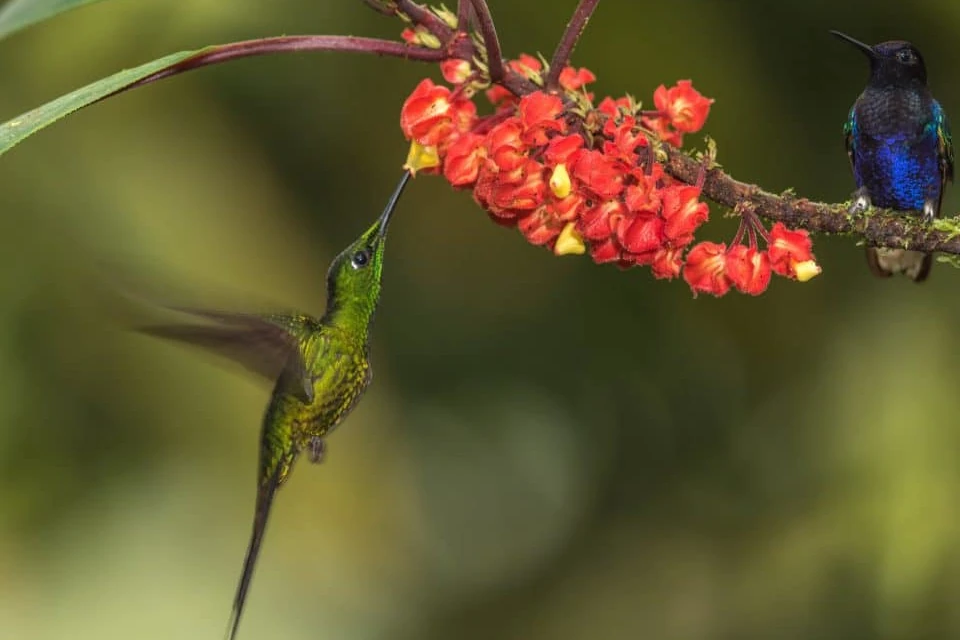
Despite the logistical challenges, the Ecuador Amazon region offers some of the most extraordinary wildlife viewing opportunities available anywhere on Earth. The incredible biodiversity density means that visitors can encounter a remarkable array of species within relatively small areas, from tiny poison dart frogs displaying brilliant warning colors to massive cecropia trees hosting entire ecosystems in their branches.
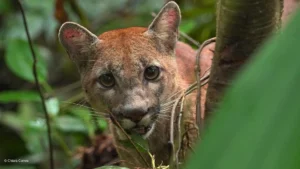
Yasuní National Park alone is home to well over 150 mammal species, 600 bird species, and an estimated 100,000 insect species per hectare. Visitors regularly observe pink river dolphins playing in rivers, three-toed sloths moving in slow motion through the canopy, and colorful parrots gathering at natural clay licks. Night walks reveal an entirely different cast of creatures including various frog species, nocturnal birds, and the occasional jaguar or ocelot.
The opportunity to see such wildlife in their natural habitat, without the constraints of zoos or wildlife parks, creates memories that can last a lifetime. Many visitors describe their first encounter with wild Amazon wildlife as transformative experiences that deepen their appreciation for biodiversity and conservation efforts.
Cultural Immersion
The indigenous communities of the Ecuadorian Amazon offer visitors authentic cultural experiences that provide insights into traditional ways of life that have persisted for millennia. Many communities welcome curious and respectful visitors with whom they share their knowledge about medicinal plants, traditional hunting and fishing techniques, and spiritual beliefs connected to the forest.
Participating in activities such as traditional cooking, craft-making, or observing ceremonial practices allows travelers to gain perspectives on sustainable living and human relationships with nature that contrast sharply with modern urban lifestyles. These interactions often prove to be among the most meaningful aspects of Amazon travel, creating connections that transcend language barriers and cultural differences.
Community-based tourism initiatives also provide crucial income for indigenous groups while giving them incentives to preserve traditional knowledge and protect their territorial rights against external pressures from mining, logging, and oil extraction companies.
Ecolodges Offering Great Experiences
The Amazon Ecuador region hosts several world-class ecolodges that provide comfortable accommodations while minimizing environmental impact and maximizing wildlife viewing opportunities. These facilities often employ local guides with intimate knowledge of the forest and its inhabitants, dramatically increasing the likelihood of meaningful wildlife encounters.
Many ecolodges are strategically located in areas with exceptional biodiversity, such as along oxbow lakes or near mineral licks that attract wildlife. The best facilities offer canopy walkways, observation towers, and specialized equipment such as night-vision scopes that enhance the wildlife viewing experience. Professional naturalist guides can identify bird calls, track animal signs, and explain ecological relationships that casual observers might miss.
The lodge experience typically includes all meals featuring local ingredients, guided excursions tailored to guest interests and abilities, and educational programs about rainforest ecology and conservation challenges. This comprehensive approach allows visitors to maximize their time in the forest while supporting sustainable tourism practices.
The Cons
Time-consuming and Logistically Frustrating
The complex transportation requirements for reaching the Amazon Rainforest Ecuador mean that visitors must dedicate significant time simply getting to and from their destination. A typical Amazon trip requires at least four to five days to justify the travel time, but many visitors find that they need a full week or more to truly appreciate the experience and recover from the physical demands of travel.
The multiple connection points create numerous opportunities for delays, missed connections, and lost luggage. Travel insurance becomes essential given the high probability of weather-related cancellations or schedule changes. Even well-planned itineraries can fall apart when flights are cancelled or roads become impassable, leading to additional accommodation costs and schedule disruptions.
The stress of uncertain travel conditions can detract from the relaxation and spiritual renewal that many visitors seek in natural environments. Some travelers may end up spending more time worrying about logistics than enjoying the rainforest experience itself.
Can Be Expensive for What You Get
The combination of limited infrastructure, remote locations, and small-scale operations means that Amazon Ecuador travel often carries a premium price tag that may not always align with the quality of services provided. Ecolodge rates typically range from $200 to $500 or more per person per night, with transportation costs, guided excursions, and equipment rental adding substantially to the total expense.
Travelers with stringent budgets face particular challenges as low-cost accommodation options are limited and may lack basic amenities such as reliable electricity, hot water, or adequate protection from insects. Even expensive options may not meet the comfort standards that travelers expect given the price point, particularly regarding food quality, room comfort, and activity selection.
The need for specialized equipment, vaccinations, and travel insurance adds additional costs that can make Amazon travel prohibitively expensive for many potential visitors. When compared to other international destinations offering similar natural experiences, the Ecuadorian Amazon can seem lacking when analyzing the value of what it truly costs.
Environmental Impact of Tourism
While eco-tourism is often promoted as a sustainable alternative to extractive industries, the reality is that Amazon tourism creates its own environmental pressures. The carbon footprint associated with reaching remote locations via multiple flights and motorized boat transfers can be substantial, potentially offsetting the conservation benefits of tourism revenue.
Popular wildlife viewing areas can suffer from over-visitation, with repeated boat traffic disturbing wildlife behavior and trail erosion damaging sensitive forest floor ecosystems. The infrastructure required to support tourism, including lodges, landing strips, and waste management systems, creates permanent alterations to pristine environments.
Some critics argue that Amazon tourism perpetuates a form of environmental colonialism where wealthy international visitors consume authentic experiences while local communities bear the environmental and cultural costs of accommodating their presence.
Alternatives
Nature Experiences in Ecuador with Easier Access
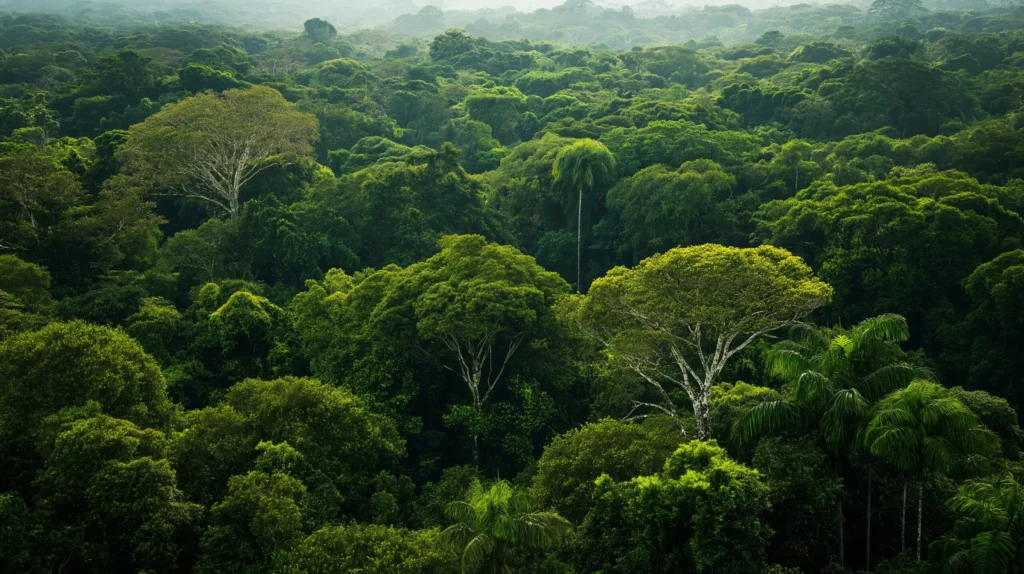
Ecuador offers numerous alternative nature experiences that provide many of the same benefits as Amazon travel without the logistical complications and expense. The cloud forests of Mindo, located just two hours from Quito, offer exceptional bird watching opportunities with over 450 species recorded in the area, including colorful tanagers, hummingbirds, and the spectacular Andean cock-of-the-rock.
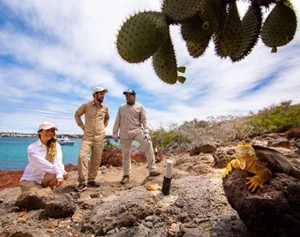
The Galapagos Islands, while expensive, provide a more reliable and comfortable nature experience with world-class wildlife viewing, established infrastructure, and predictable schedules. The islands offer unique species found nowhere else on Earth and can be combined with mainland Ecuador experiences for a comprehensive nature tour.
The Avenue of the Volcanoes and Cotopaxi National Park provide stunning mountain scenery, opportunities to observe Andean wildlife such as wild horses and spectacled bears, and hiking experiences that challenge visitors without requiring the complex logistics of Amazon travel.
Mashpi Lodge
Mashpi Lodge represents perhaps the most compelling alternative to traditional Amazon Ecuador experiences, offering luxury accommodations within a pristine cloud forest environment just three hours from Quito. The lodge sits within a private, 7,400-acre (3,000-hectare) reserve that protects one of the world’s most biodiverse ecosystems while providing guests with comfortable accommodations, gourmet dining, and expertly guided nature experiences.
The facility features architectural design that integrates seamlessly with the forest environment, offering panoramic views of the cloud forest floor and canopy from guest rooms and common areas. A unique Sky Bike experience allows visitors to traverse the forest canopy as if they were cycling through the sky. Similarly, the Dragonfly Gondola provides an overhead perspective on forest ecology that would be impossible to achieve through traditional hiking trails alone, in addition to being one of the truly amazing rainforest experiences you can enjoy in Ecuador.
Mashpi Lodge employs resident naturalists who conduct research within the reserve while guiding guests, ensuring that visitor experiences contribute to ongoing scientific understanding of cloud forest ecosystems. The lodge’s commitment to conservation, combined with its accessibility and comfort, offers many of the transformative aspects of Amazon travel without the associated frustrations and limitations.

Is visiting the Ecuadorian Amazon a worthwhile experience?
The question of whether visiting the Amazon Ecuador region represents a worthwhile travel investment depends largely on travelers’ priorities, expectations, and comfort with uncertainty. For travelers seeking pristine wilderness experiences, authentic cultural encounters, and the opportunity to observe some of the planet’s most extraordinary biodiversity, the Ecuadorian Amazon can indeed provide transformative experiences that justify the logistical challenges and expense.
However, many travelers would find greater satisfaction and value in Ecuador’s more accessible natural destinations. The combination of transportation difficulties, weather uncertainties, high costs, and potential environmental impacts means that Amazon Ecuador travel is best suited for dedicated nature enthusiasts with flexible schedules, substantial budgets, and realistic expectations about the challenges involved.
The growing availability of high-quality alternatives, like Mashpi Lodge and the cloud forests of the western Andes, means that visitors can experience many of the same natural wonders and cultural insights without subjecting themselves to the frustrations that often accompany traditional Amazon Ecuador travel. These alternatives often provide better value for money while supporting conservation efforts and local communities in more sustainable ways.
Ultimately, while the Amazon Jungle Ecuador remains one of the world’s most remarkable natural environments, the practical realities of visiting the region mean that it may not deliver the rewarding experience that many travelers anticipate. Those determined to experience the Amazon may find greater satisfaction by visiting more accessible portions in Peru, Brazil, or Colombia, or by choosing Ecuador’s alternative nature destinations that offer many of the same benefits with far fewer complications.