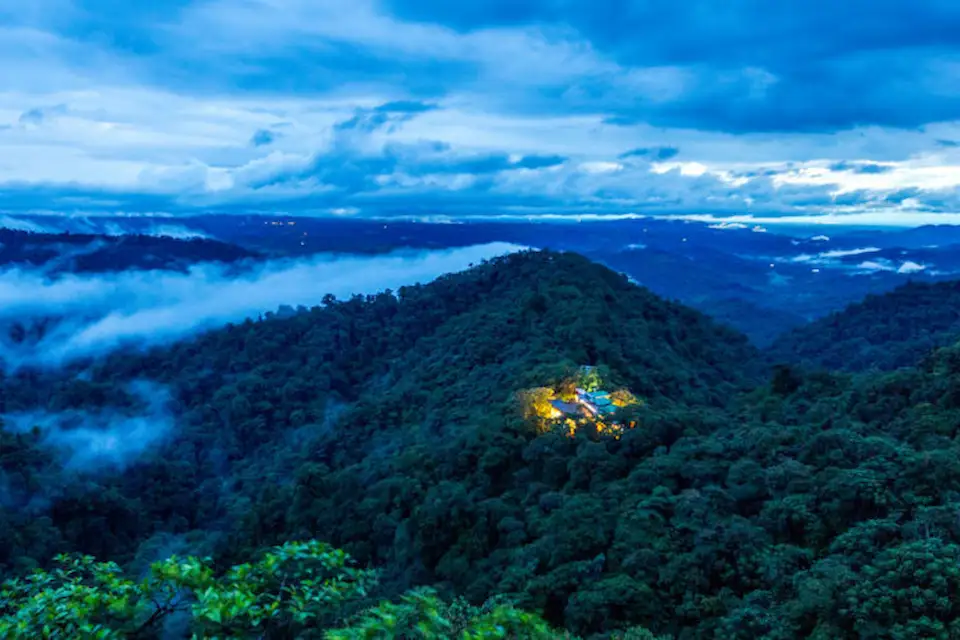
Planning a trip? Find out when is the Best Time to Visit the Amazon Rainforest, and what activities are available during high and low water.
The Amazon Rainforest is the largest tropical rainforest in the world, renowned for its immense wealth of natural wonders and its status as the “lungs of our Earth.” It is so vast that it spans nine South American countries, including a significant portion of Ecuador. Not far from the Amazon—and, in fact, closer to the capital city of Quito than any other rainforest lodge in Ecuador—lies Mashpi Lodge, a luxurious eco-lodge set between the rainforest and the cloud forest.
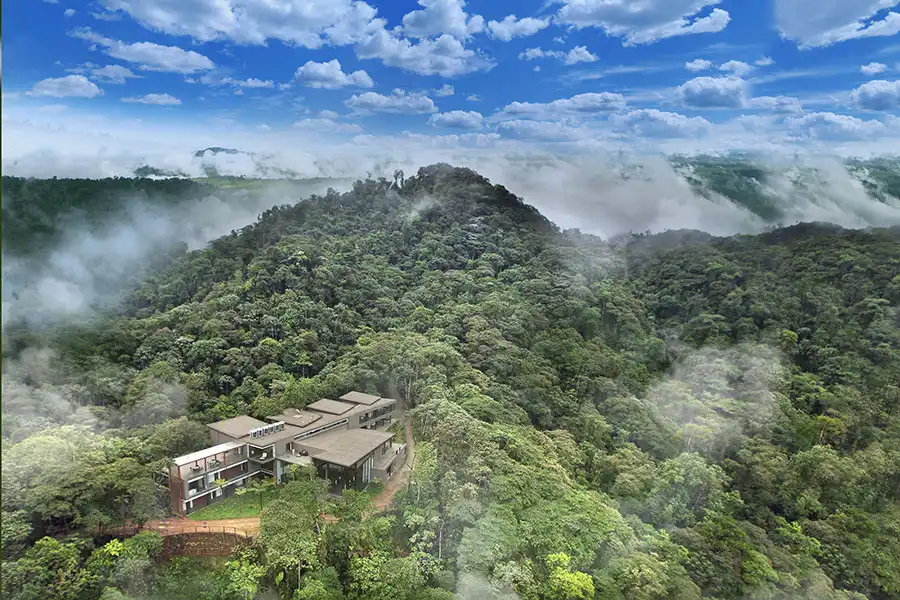
This exclusive lodge is not just a gateway or an alternative to exploring the Amazon; it’s an immersive and highly convenient journey into one of the most biodiverse areas on the planet. If you are deciding on the best time to visit the Amazon Rainforest, this blog will help you discover it. It will also showcase the beauty of Mashpi Lodge as the best alternative to the Amazon Rainforest, along with a breakdown of its different seasons.
What is the Best Time to Visit the Amazon?
This question often puzzles travelers eager to explore the world’s largest rainforest—a mystical region where each season paints a different portrait of lush landscapes and abundant wildlife. The vast expanse of the Amazon, stretching across multiple countries and diverse ecosystems, offers unique experiences depending on when you choose to visit. From the life-giving heavy rains to the drier periods that reveal hidden paths and elusive creatures, each season has its own unique charm. So, the best time to visit the Amazon Rainforest largely depends on your personal interests.
It’s important to note that Ecuador’s Andes Mountains divide the country into three regions: the Pacific Coast, the Andes, and the Amazon. Traveling from west to east, from the Pacific Coast to the Amazon, you’ll witness diverse landscapes, including two types of rainforests and cloud forests. Mashpi Reserve, part of the Chocó region covering 18,000 mi² (47,000 km²), uniquely blends rainforest, cloud forest, and other ecosystems. In contrast, the Amazon features only tropical rainforests.
Additionally, the Amazon Rainforest experiences two primary seasons: the wet season (December to May) with heavy rainfall and the dry season (June to November) with less rain and more accessible terrain. In contrast, Mashpi Lodge in the Choco rainforest has a more uniform climate year-round. Its “less rainy” season (June to November as well) offers clearer days and spectacular sunsets, while the rainier season (November to May) brings the forest to life with blooming flora and active wildlife.
Curiously, during the Amazon’s wetter months, Mashpi Lodge becomes a haven for those seeking to witness the rainforest and cloud forest in their most vibrant form. The rains bring a surge of life, with verdant foliage and bustling wildlife activity. This is a time of renewal and abundance, where the forest reveals its most lush and energetic side. Conversely, the forest’s secrets become more visible in the drier months. Paths less traveled emerge, and the wildlife behaves more intriguingly, offering a different yet equally mesmerizing experience.
Ultimately, this predictable and milder climate pattern at Mashpi Lodge often provides visitors with a more comfortable and consistent experience, especially compared to the more extreme seasonal changes in the Amazon.
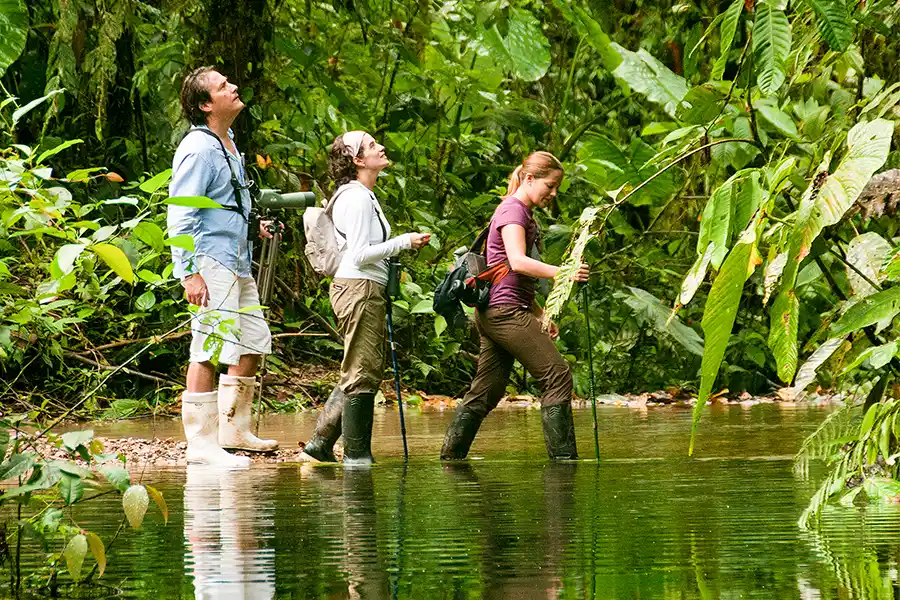
Temperature Range: Best Time to Visit the Amazon Rainforest
The Amazon rainforest generally experiences a more significant temperature variation yearly than Mashpi Lodge. The average low temperatures can be around 71°F (22°C), and the highs often exceed 90°F (32°C) or more, depending on the specific region within the Amazon. The Amazon’s temperature range is approximately 19°F (about 10°C). This reflects a broader range of temperatures compared to Mashpi Lodge.
At Mashpi- rainforest hotel, temperatures range from a low of 64°F (18°C) to a high of 77°F (25°C), a relatively narrow range of about 15°F (approximately 7°C). The reserve maintains an average yearly temperature of around 73°F (23°C). This gentle and predictable climate at Mashpi Lodge enhances visitor comfort and makes it an exceptional destination for those seeking a more relaxed and manageable weather experience amidst nature.
Ultimately, Mashpi Lodge offers a notably more temperate and stable climate than the Amazon rainforest, making it an appealing choice for many travelers. Whether it’s the vibrant life brought forth by the rains or the subtle wonders revealed in the drier months, Mashpi presents an unparalleled opportunity to witness a different manifestation of the Amazon’s majesty. In this sanctuary, where luxury continuously harmonizes with nature at a predictable pace throughout the year, timing your visit to Mashpi isn’t as paramount as nailing the best time to go to the Amazon.
High Season at Mashpi Lodge (June – August)
Visiting Mashpi Lodge during the high season offers several advantages. For starters, this period overlaps with part of the less rainy season at Mashpi, resulting in clearer days and fewer interruptions for outdoor activities. However, referring to it as the “dry season”—typically lasting from June to the beginning of November—does not guarantee it will be dry in the traditional sense! Don’t forget that Mashpi is a rain and cloud forest environment, so some humidity and occasional showers will still be common.
The relatively clearer weather during this time also allows for comfortable wildlife-spotting opportunities and more enjoyable hiking experiences. Reduced rainfall makes hiking trails more accessible and enjoyable, while less rain can make wildlife easier to spot, as animals are more likely to be out and about.
However, the potential downsides of visiting Mashpi during this time of year include a higher number of guests, which could lead to less privacy and tranquility in the communal areas at the Lodge. Also, demand during this period is, unsurprisingly, at its highest level, meaning stays at Mashpi Lodge remain at full price with few exceptions. Additionally, the drier conditions might mean fewer sightings of certain rainforest species that are more active or visible during wetter periods.
During the high season at Mashpi Lodge, recommended activities include all of the standard options: exploring the lodge’s extensive trail network for hiking and birdwatching, experiencing the unique Sky Bike for aerial views of the forest, visiting nearby waterfalls, and engaging in night walks to observe nocturnal wildlife. The lodge also offers a hummingbird garden and a Life Center where you can learn more about the local flora and fauna. These activities allow guests to fully immerse themselves in the rich biodiversity and serene beauty of the Choco rainforest. Should it get rather sunny and hot, the Mashpi Reserve is host to several gorgeous waterfalls and swimming holes that you can cool down with.
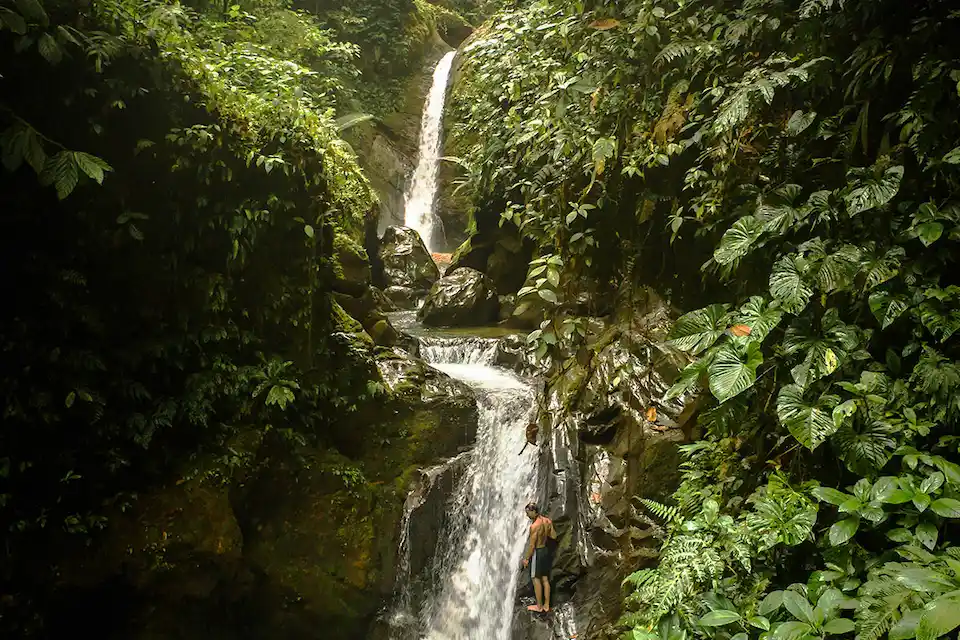
Additionally, clearer skies and better light conditions offer great opportunities for photography, especially for capturing the lush landscapes and diverse wildlife.
Shoulder Season at Mashpi Lodge (September – November, March – May)
The shoulder season at Mashpi Lodge is a time of transition, blending elements of the drier and wetter seasons. From September to November and March to May, guests can enjoy the progression from the less rainy period to the onset of the rainy season, which peaks around February and extends until May. This unique period offers clear mornings followed by sporadic showers, creating a dynamic and ever-changing forest environment.
During the shoulder season at Mashpi Lodge, the number of guests typically decreases compared to the high season, offering a more private and intimate experience of the Lodge. This reduction in visitor numbers enhances the sense of tranquility and allows for more personalized service and less crowded communal facilities and areas. As a result, guests often find booking their preferred dates and room types easier, given greater availability.
During this time, the rainforest enters its blooming season, starting in February and continuing through May. While the cloud forest’s beauty is at its peak, it’s worth noting that the abundance of natural food sources may lead to fewer bird sightings at the lodge’s Hummingbird Garden. Conversely, the budding season from July to September generally attracts more wildlife. Despite the conditions, the shoulder season is a time of flourishing life and activity in the forest.
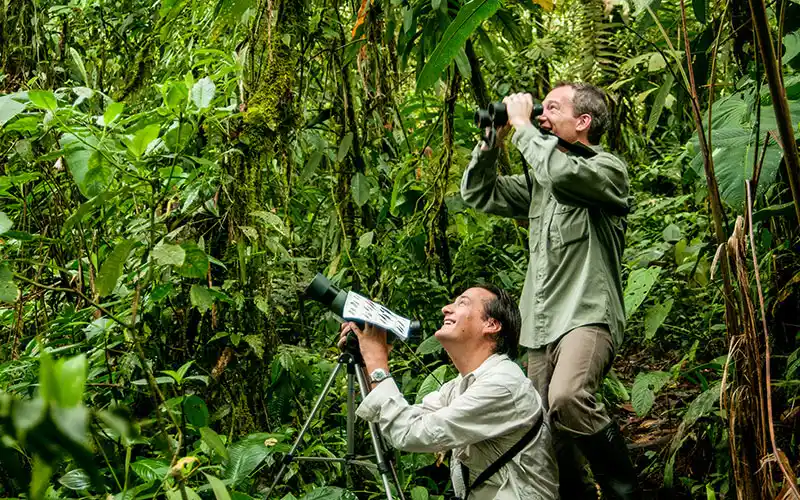
Even when it rains throughout certain parts of the day, the focus shifts to the incredible plant life, and visits to covered areas like the Life Center, Hummingbird Garden, and Laboratory are recommended. These locations offer sheltered activities like observing butterflies, conducting research, and admiring orchid displays. The Life Center’s covered deck is ideal for viewing post-rain wildlife with telescopes and binoculars.
Rainy days also offer a unique opportunity to visit the Laboratory, where guests can explore collections of butterflies, beetles, and other intriguing insects of the cloud forest, with expert biologists providing insights and demonstrations.
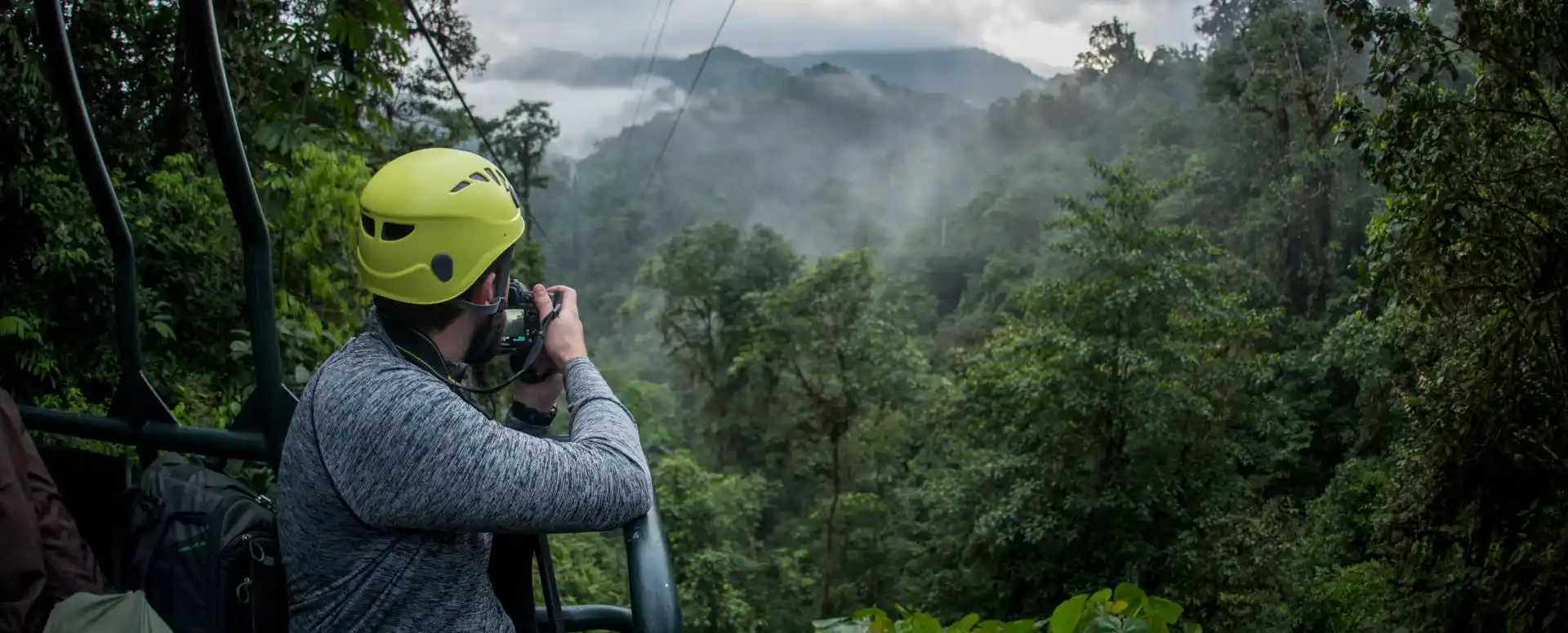
The shoulder season activities at Mashpi Lodge are as enriching as during the high season. Guests can explore the verdant trails for hiking and birdwatching, enjoy the unique perspectives offered by the Sky Bike, admire the forest canopy aboard the Dragonfly Gondola, and visit the waterfalls, which are often more spectacular with the increased flow of water. Night walks reveal a different side of the forest, teeming with nocturnal life. The hummingbird garden and the Life Center remain focal points for understanding the local ecosystem. The forest’s waterfalls and swimming holes provide a refreshing escape on warmer days.
Photography enthusiasts will find the shoulder season particularly rewarding. The interplay of light and rain creates ethereal scenes, perfect for capturing the forest’s dynamic beauty and diverse wildlife in its natural habitat.
In essence, the shoulder season at Mashpi Lodge presents a fascinating blend of climatic changes and activities, ensuring that every visit is filled with discovery and adaptation to the unique rhythms of the cloud forest.
Low Season at Mashpi Lodge (December – February)
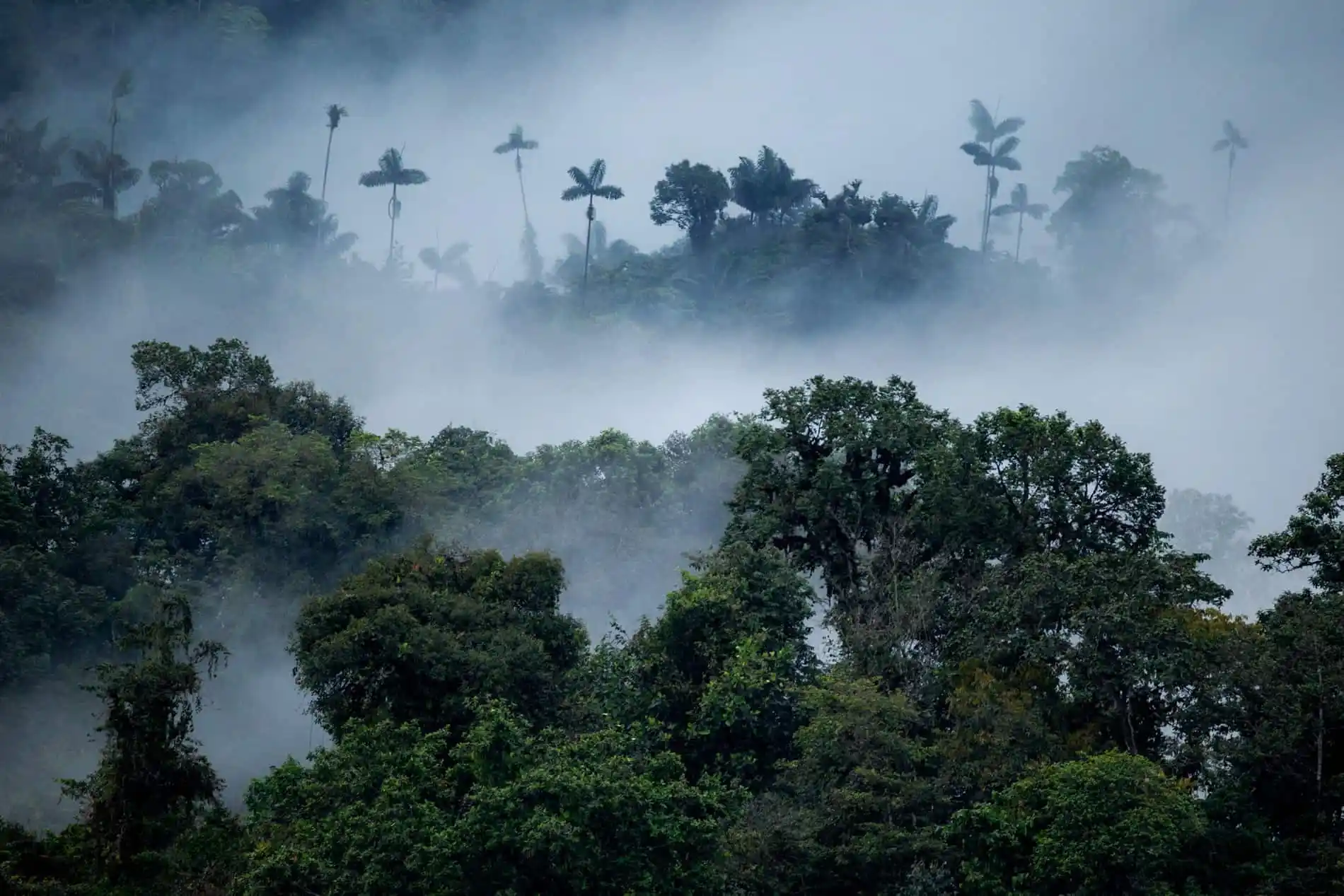
The low season at Mashpi Lodge, spanning December through February, offers a distinctly different experience from the rest of the year. This period marks the peak of the rainy season in Ecuador, with February typically seeing the heaviest rainfall. Guests visiting during these months can expect a truly lush and vibrant cloud forest as the rains bring life and energy to the ecosystem.
The consistent rainfall enhances the natural beauty of the forest, making it an ideal time for photography enthusiasts to capture the vivid greens and dynamic landscapes. The rain also triggers the growth and blooming of various plant species, providing a spectacular display of the forest’s biodiversity.
However, the increased rainfall can lead to more limited wildlife sightings as many animals seek shelter. This doesn’t diminish the experience, though, as the forest hums with the sounds and sights of nature in its most thriving state. This season, bird lovers might see fewer birds at the feeders, but the natural abundance in the forest offers a chance to spot them in their natural habitat.
The lower number of guests during the low season means greater privacy and a chance for a deeper connection with nature. Accommodation availability is relatively high, and guests may find more favorable booking conditions or special offers.
This season is perfect for those who don’t mind a bit of rain and are looking for a peaceful escape in one of the most biodiverse places on Earth. This period can be especially appealing for those seeking a quieter, more reflective experience in the forest and at the lodge, away from the busier tourist periods. Additionally, the lodge may offer special promotions or package deals during these months, making it an attractive time for visitors looking for a unique rainforest adventure at a potentially lower cost.
Despite the rain, Mashpi Lodge’s activities continue with adjustments for the weather. The lodge’s motto, “the rain will delay us, but it will not stop us,” holds true, with guests still able to enjoy walks under the protection of the forest canopy, visits to the Life Center, and other indoor activities. Rainy days also present a unique opportunity for relaxation and wellness at the lodge, with facilities like the Samay Wellness Center offering a tranquil retreat and a soothing assortment of Spa treatments.
Factors to Consider When Planning Your Trip to Mashpi Lodge
When planning a trip to Mashpi Lodge, it’s important to consider several practical tips for a seamless experience. Booking your activities in advance, especially during the high season, is crucial as popular tours can quickly become fully booked. The weather in the cloud forest is unpredictable, so packing rain gear and layered clothing is recommended to adapt to changing conditions. Also, staying hydrated is essential, especially during outdoor activities like hiking, so carrying a water bottle is necessary.
Regarding hygiene and packing, bring essentials like insect repellent, a camera, binoculars, and eco-friendly personal care items. Ensure your vaccinations are up to date and be mindful of your physical limitations. Finally, respect the delicate ecosystem of the cloud forest by following eco-friendly practices, such as proper waste disposal and staying on designated trails. With these considerations in mind, your visit to Mashpi Lodge can be both enjoyable and respectful of Ecuador’s unique cloud forest environment.
Acclimatization to Altitude: How to Avoid Altitude Sickness at Mashpi Lodge
When visiting high-altitude destinations like Quito, Ecuador, and nearby areas such as Mashpi Lodge, travelers should be cautious of altitude sickness. Acclimatizing to higher elevations is key to preventing discomfort and illness. It’s advisable to spend a day or two in Quito, which sits at a significant altitude, allowing your body to adjust before venturing to even higher elevations.
Remember to stay hydrated, eat light meals, avoid alcohol and caffeine, and get plenty of rest during this acclimatization period. If you experience symptoms like headaches, nausea, or dizziness, it’s important to rest and seek medical attention if necessary. Gradual acclimatization and paying attention to your body’s signals are crucial for a comfortable and enjoyable experience in Ecuador’s high-altitude destinations.
The Final Verdict
In conclusion, planning a trip to Mashpi Lodge and choosing the best time to visit the Amazon Rainforest requires careful consideration of various factors to optimize your experience. Whether booking in advance during Mashpi Lodge’s high season, packing appropriately for unpredictable weather, or planning your stay around seasonal patterns, every detail ensures a memorable journey.
Understanding seasonal variations in wildlife visibility, weather patterns, and crowd levels at Mashpi Lodge can greatly influence your experience. Similarly, acclimatizing to the altitude in areas like Quito and Mashpi Lodge is essential to avoid illness and fully enjoy your adventure.
Ultimately, the choice depends on your preferences for adventure and comfort. Remember, the Amazon and Mashpi offer a wealth of things to do and see year-round, regardless of the weather. Balancing these aspects with the unique offerings of each season at Mashpi Lodge will lead to a rich and unforgettable exploration of Ecuador’s majestic natural landscapes.