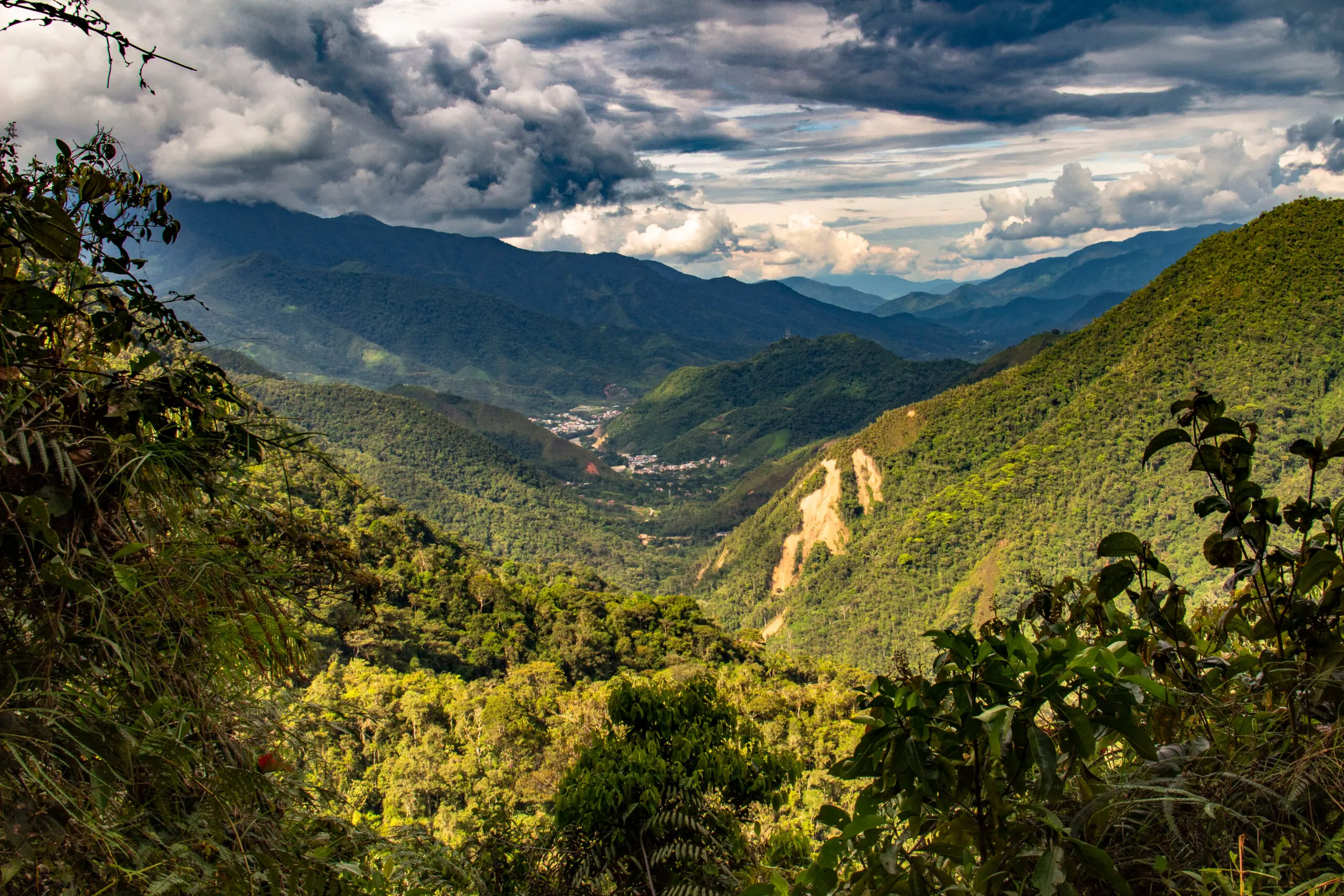
Ecuador has breathtaking natural beauty and extraordinary biodiversity, making it one of the world’s top ecotourism destinations. From its cloud forests to its beaches, snow-capped volcanoes, and the heart of the Ecuador Amazon rainforest, Ecuador offers travelers the opportunity to connect with nature in a meaningful and sustainable way. Ecotourism in Ecuador has become not only a modern trend but also an essential practice to ensure the protection of fragile ecosystems and support local communities.
If you are ready for an adventure that supports conservation and provides unforgettable experiences, this guide will introduce you to Ecuador’s best ecotourism destinations. Each destination we describe is a gateway to understanding and appreciating the country’s extraordinary landscapes while preserving them for future generations.
What is Ecotourism and Why is Ecuador a Top Destination?
At its core, ecotourism focuses on responsible travel to natural areas, environmental conservation, and improving the well-being of local people. Unlike conventional tourism, it emphasizes a mutually beneficial relationship that allows visitors to explore breathtaking sites while contributing to conservation efforts and respecting cultural heritage.
Ecuador’s ecotourism has gained a reputation as a leader in the field for several reasons. The country boasts one of the highest concentrations of biodiversity on the planet, with substantial protected areas such as the Galapagos Islands, the Amazon rainforest, and the Andean páramo. Ecuador demonstrates how tourism can coexist with environmental protection and cultural respect by prioritizing conservation laws, sustainable tourism initiatives, and partnerships with ecolodges.
Mashpi Lodge: A Model for Sustainable Luxury Travel
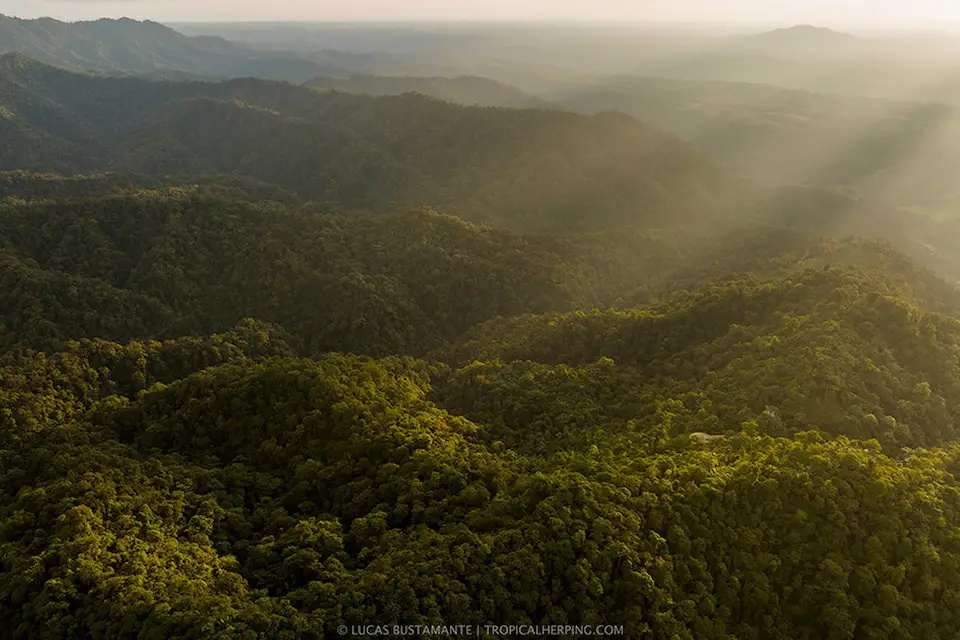
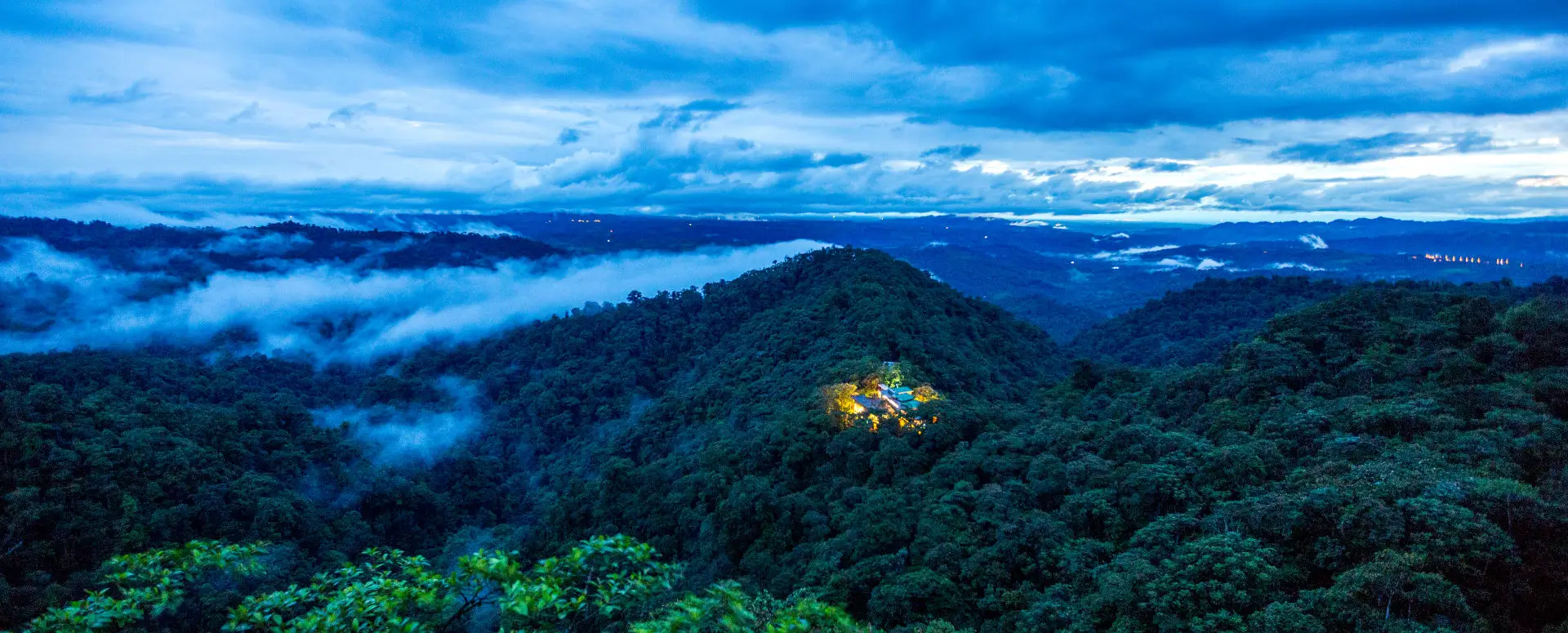
Nestled in the enchanting cloud forest of the Ecuadorian Chocó, Mashpi Lodge is a secluded rainforest sanctuary just a few hours from Quito. This UNESCO-recognized biodiversity hotspot is home to an incredible variety of flora and fauna, including endemic species found nowhere else on the planet. The lodge is a model of sustainable travel, seamlessly blending world-class luxury with environmentally responsible practices.
Location
Mashpi Lodge is in the pristine Mashpi-Tayra Reserve, a globally recognized biodiversity hotspot. Surrounded by dense emerald-green forests and a perpetual mist, this ecotourism destination offers guests a serene experience while contributing to conservation. It’s a testament to how eco-friendly tourism can harmonize with nature while delivering an inspiring adventure.
Sustainability
Built with minimal environmental impact on land previously used for logging, Mashpi Lodge now protects a 1,200-acre private reserve. The lodge operates on clean energy and funds projects like local reforestation and wildlife research. It presents the very best practices of sustainable travel.
Ecological Activities
Visitors here partake in unique activities such as guided bird-watching excursions, night walks to discover nocturnal creatures, and rides on the Dragonfly Canopy Gondola for panoramic rainforest views. More than an adventure, Mashpi is an ideal ecotourism experience in Ecuador, offering education and profound inspiration.
Cotopaxi
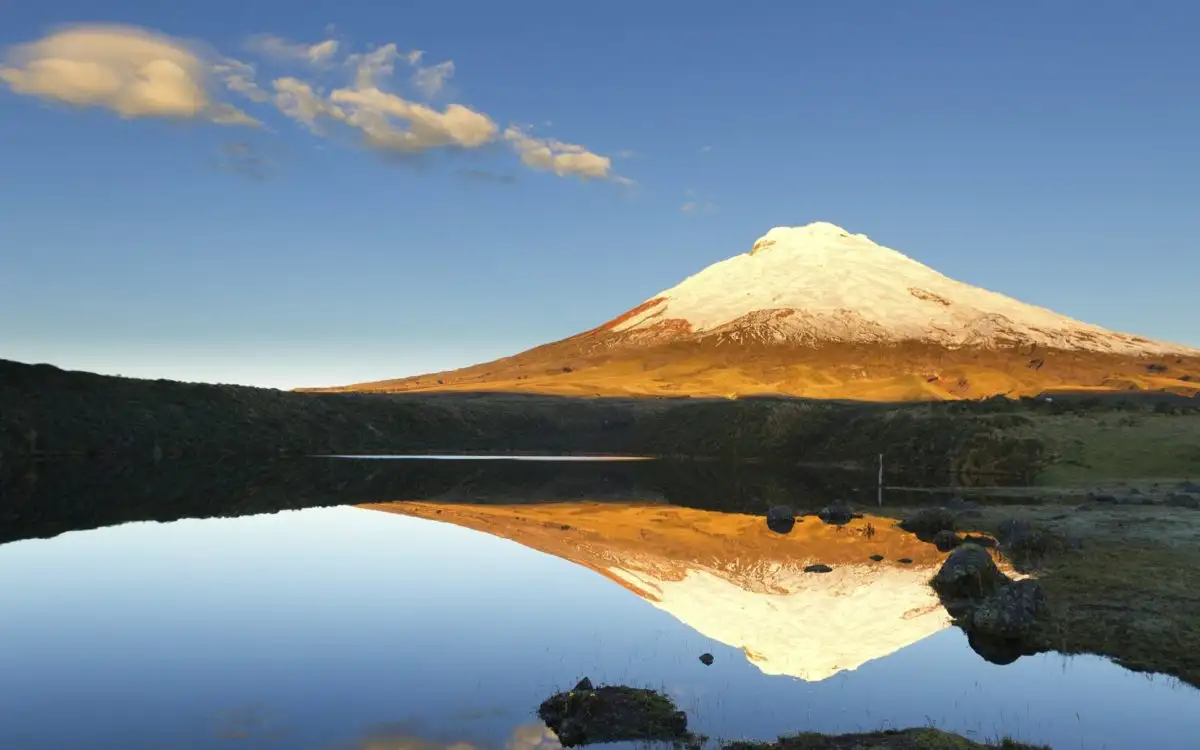
Cotopaxi National Park is an iconic ecotourism destination in the Andes. It features one of the world’s most emblematic volcanoes, Cotopaxi, towering 5,897 meters high. The park provides a valuable opportunity to witness the fragile páramo ecosystem and understand the unforgiving effects of climate change on glacier formations.
Protection of the Paramo Ecosystem
The páramo is a unique high-altitude grassland in the Andes, crucial for water storage and biodiversity. Cotopaxi National Park safeguards this vital ecosystem, acting as a natural water reserve for nearby communities. The delicate flora and fauna, such as moss, sigse, llamas, and Andean condors, depend on the park’s conservation efforts to survive. In addition, the park is home to a biological diversity that includes endemic and endangered species.By enforcing strict guidelines, Cotopaxi remains a critical example of ecotourism in Ecuador.
Activities
Cotopaxi invites visitors to hike its scenic trails, ride horseback through the páramo, or even challenge themselves, such as undertaking an ascent to the majestic summit of Cotopaxi Volcano. Guided tours educate travelers on the area’s ecological significance, reinforcing its reputation as one of Ecuador’s top ecotourism destinations.
The Importance of Glaciers in Climate Change
The glaciers of Cotopaxi are imposing ice sculptures that not only dazzle with their beauty but also tell a crucial story about climate change. These giant glaciers, vital to the environmental balance, have retreated alarmingly in recent decades, raising alarms and prompting significant efforts to study and protect the region. Visiting Cotopaxi is an impressive visual experience and an invitation to reflect on the human impact on the planet. In front of these natural wonders, one can contemplate the majesty of nature and, at the same time, feel the urgency to protect it and make a change.
Galapagos
The majestic Galapagos Islands are revered globally for their environmental importance and are a must-visit ecotourism destination in Ecuador. The islands’ unique fauna and spectacular scenery have inspired ecotourists and scientists for centuries.
Ecosystem Protection
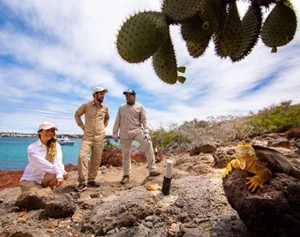
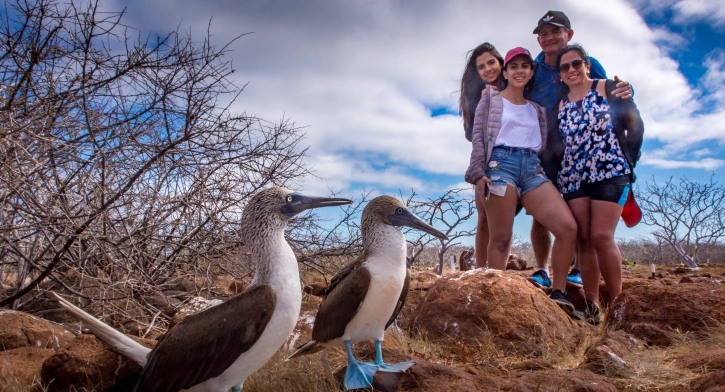
The Galapagos ecosystem is extremely fragile and is home to species such as the giant tortoise and marine iguana, which are found nowhere else on the planet. Strict rules, such as limiting the number of visitors and following “leave no trace” principles, help protect these endemic species and their habitats. Thousands of tourists visit the islands yearly, so the National Park has implemented specific regulations, significantly increasing fees. This is something you should take into account if you want to visit this destination. This eco-friendly tourism preserves unique species like the giant tortoise and contributes directly to protecting the islands’ delicate ecosystems.
Activities
Visitors to the Galapagos can enjoy sustainable activities such as snorkeling in crystal-clear waters and spotting sea lions, reef sharks, and sea turtles. Guided tours to explore volcanic islands and ancient lava tunnels reveal the region’s geological wonders. Cruises and yacht tours also allow visitors to explore the islands without harming the environment.
Conservation Efforts
The Galapagos are the poster child for conservation success, with years of projects aimed at eradicating invasive species and restoring native habitats. Travelers visiting these areas contribute responsibly to conservation efforts, supporting local ecotourism and fostering community development. Their participation boosts residents’ work, promoting a positive impact on the natural environment and the quality of life of those in the region.
Yasuní
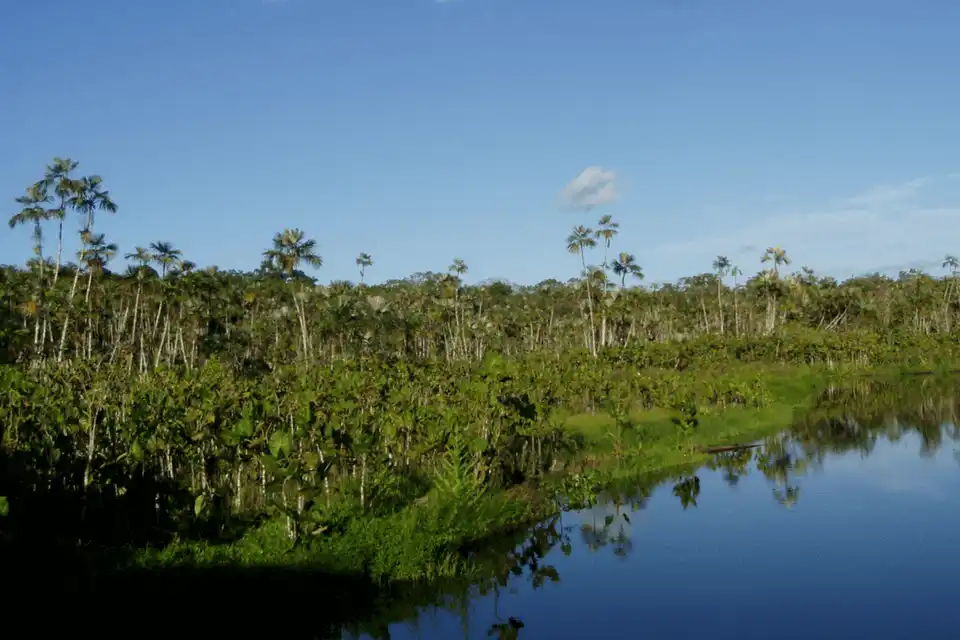
Deep in the Ecuador Amazon rainforest, Yasuni National Park boasts unmatched biodiversity. Recognized as a UNESCO Biosphere Reserve, Yasuní is a living classroom of natural history and cultural heritage.
Biodiversity Conservation
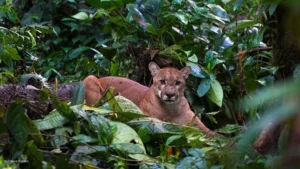
Yasuni’s breathtaking variety of wildlife, from pink river dolphins to jaguars, highlights ecotourism in Ecuador. Guests can stay at one of the region’s ecolodges, partake in jungle hikes, or paddle through serene rivers that teem with life. Given its role as a carbon sink and oxygen generator, protecting this ecosystem is fundamental to preserving the world’s biodiversity. It is also known as the “lungs of the planet.”
Activities
Yasuní’s eco-lodges offer jungle hikes, canoe trips on rivers teeming with wildlife, and cultural exchanges with different indigenous communities and nationalities of the Amazon, who share their sustainable traditions and knowledge of the rainforest. Visitors learn firsthand about coexistence with nature and the delicate balance that maintains the health of the Amazon.
Quilotoa
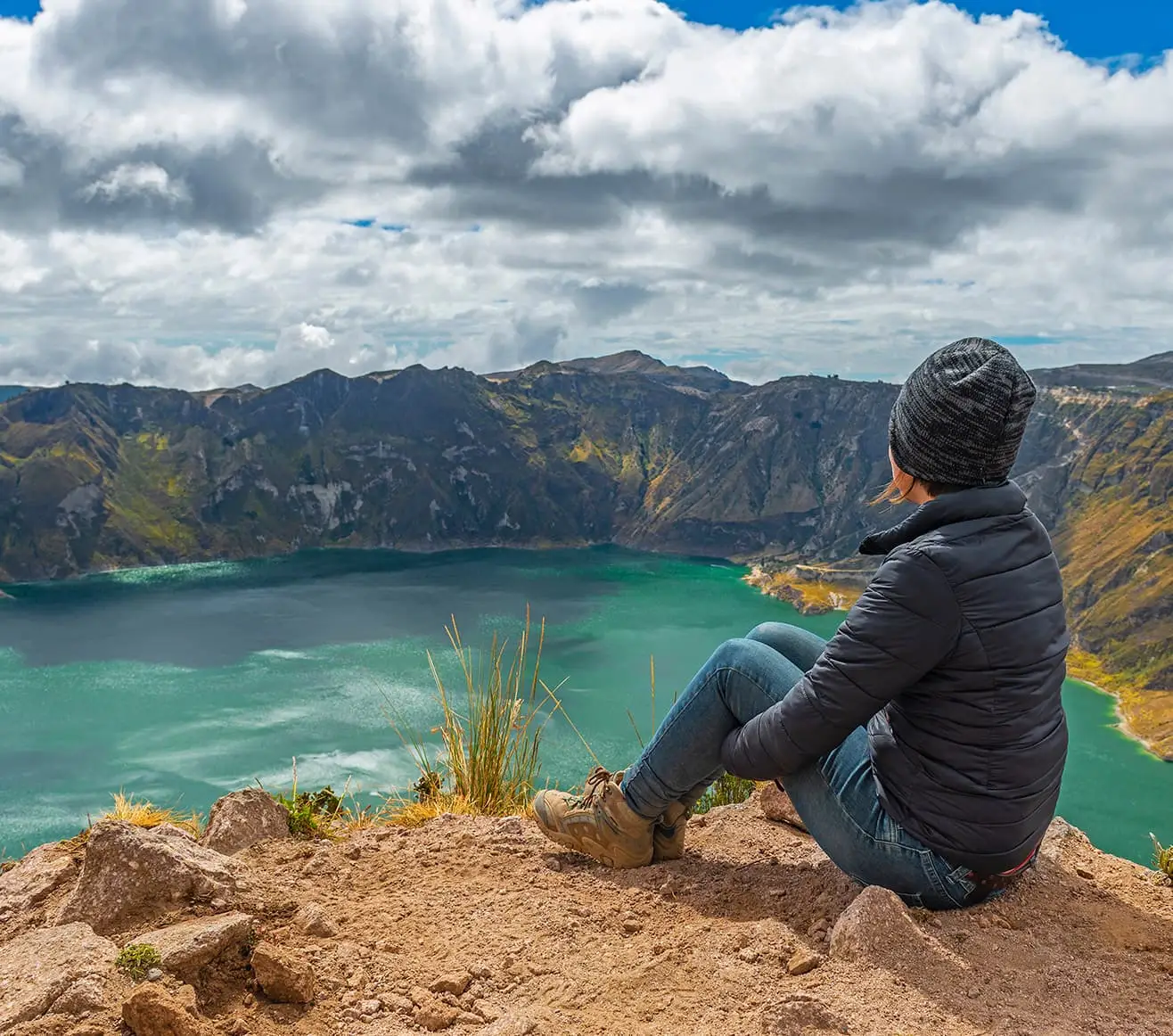
The shimmering Quilotoa crater lake is one of Ecuador’s most scenic ecotourism destinations. This shimmering emerald lake, formed in a volcanic caldera, attracts visitors seeking both adventure and tranquility.
Protection of the Paramo Ecosystem
The páramo surrounding Quilotoa is another example of Ecuador’s commitment to conserving high-altitude habitats. These grasslands are crucial to the region’s water cycle, feeding the rivers that sustain the communities’ lives.
Activities
Quilotoa offers various activities for ecotourists, from hiking the crater rim trails with panoramic views to kayaking on the lake itself. The Quilotoa Loop, a 34-kilometer trail, is a popular multi-day hiking route connecting indigenous communities, offering cultural insights and local hospitality.
Ecotourism in Ecuador: Start Your Sustainable Adventure
Ecuador is a haven for eco-friendly tourism, offering seamless interactions between nature, education, and adventure. With destinations such as Mashpi Lodge, Cotopaxi, the Galapagos, Yasuní and Quilotoa, travelers can connect deeply with nature while supporting efforts to protect it.
You can help protect these ecosystems by choosing sustainable travel opportunities while enjoying unforgettable experiences. Whether spotting rare birds in the Chocó cloud forest, hiking around volcanoes, or exploring the Amazon, Ecuador invites you to be part of the movement to preserve its treasures for generations. Start planning today and discover the magic of responsible travel in one of the world’s most biodiverse and beautiful countries. Above all, agencies committed to accountable and sustainable tourism should be chosen as part of the change.